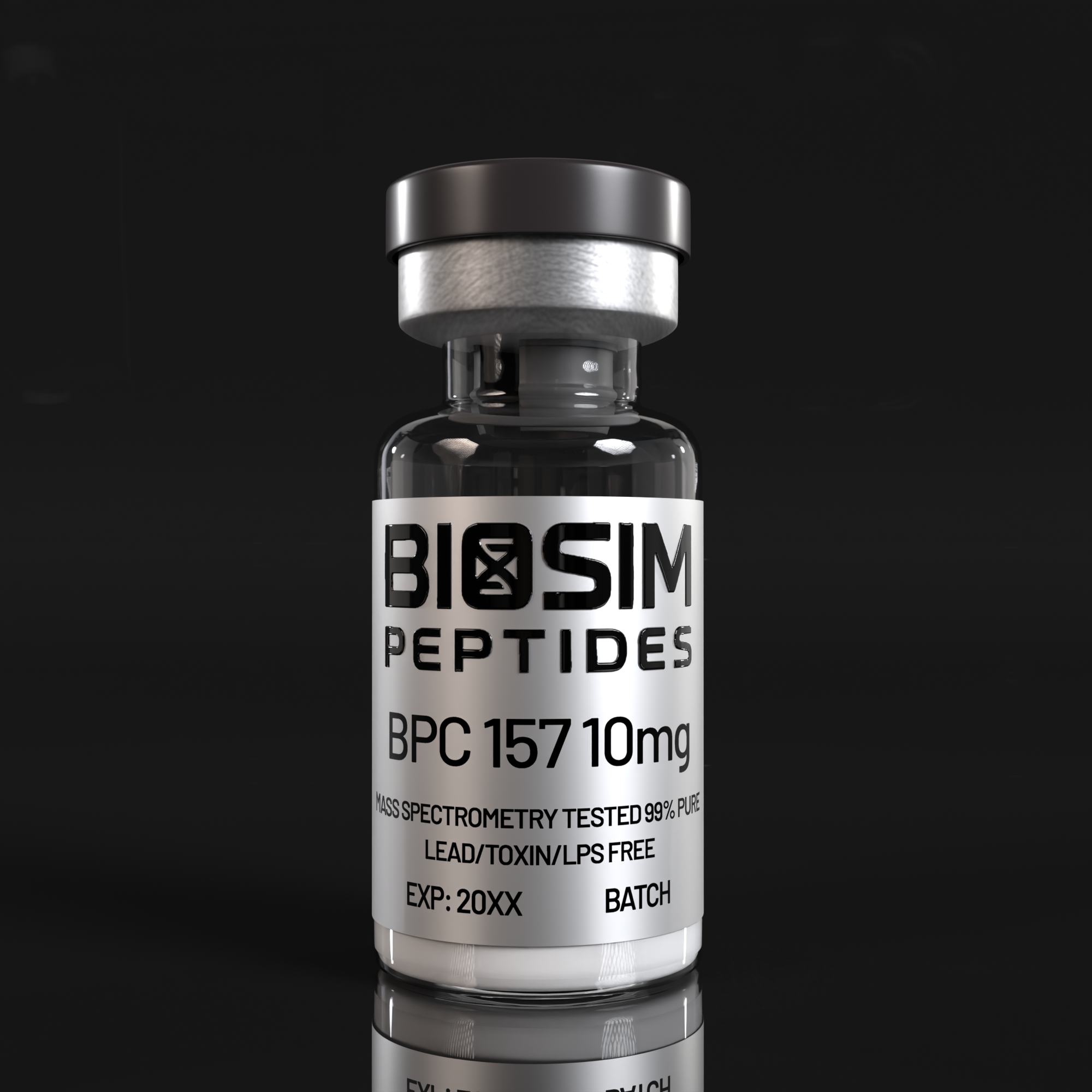
BPC 157 (Bioprotectin 157) 10MG – Research-Use-Only Peptide
BPC 157 is a synthetic decapeptide derived from the bovine intestinal tract. This peptide has been investigated in preclinical and early-stage research for its potential effects on tissue repair, inflammation modulation, and regeneration mechanisms. Below is a detailed overview of its research context and key focus areas within a strictly research framework.
BPC 157 was first identified in the 1990s within bovine intestinal mucosa, where it plays a role in wound healing and mucosal protection. Since then, emerging studies have explored its potential applications in animal models, particularly in musculoskeletal and gastrointestinal research. Due to its relatively low molecular weight and limited proteolytic degradation, BPC 157 remains a topic of interest for scientists investigating peptide-based therapies.
Research Overview
BPC 157 has been examined in preclinical studies for its potential effects on acute and chronic injury responses, including soft tissue damage, spinal cord injury, and gastrointestinal ulcers. Early findings suggest mechanisms involving anti-inflammatory pathways, endothelial function improvements, and extracellular matrix remodeling. However, it is important to note that human clinical data remain limited due to ethical and regulatory restrictions.
Key Research Focus Areas
- Tissue Repair and Regeneration – Investigated in animal models for its potential to enhance wound healing and restore damaged tissue structures.
- Anti-Inflammatory Effects – Studied for modulating cytokine activity and reducing inflammation in various injury contexts.
- Gastrointestinal Protection – Examined for its role in preventing ulcers and promoting mucosal healing.
- Neurological Repair – Explored in spinal cord injury models for potential neuroprotective benefits.
- Musculoskeletal Support – Investigated for its effects on ligament, tendon, and cartilage regeneration in experimental settings.
It is essential to emphasize that all research on BPC 157 is conducted under strict laboratory conditions, adhering to ethical guidelines and regulatory protocols specific to peptide biochemistry studies.
For research use only. Not for human or animal consumption.

Reviews
There are no reviews yet.