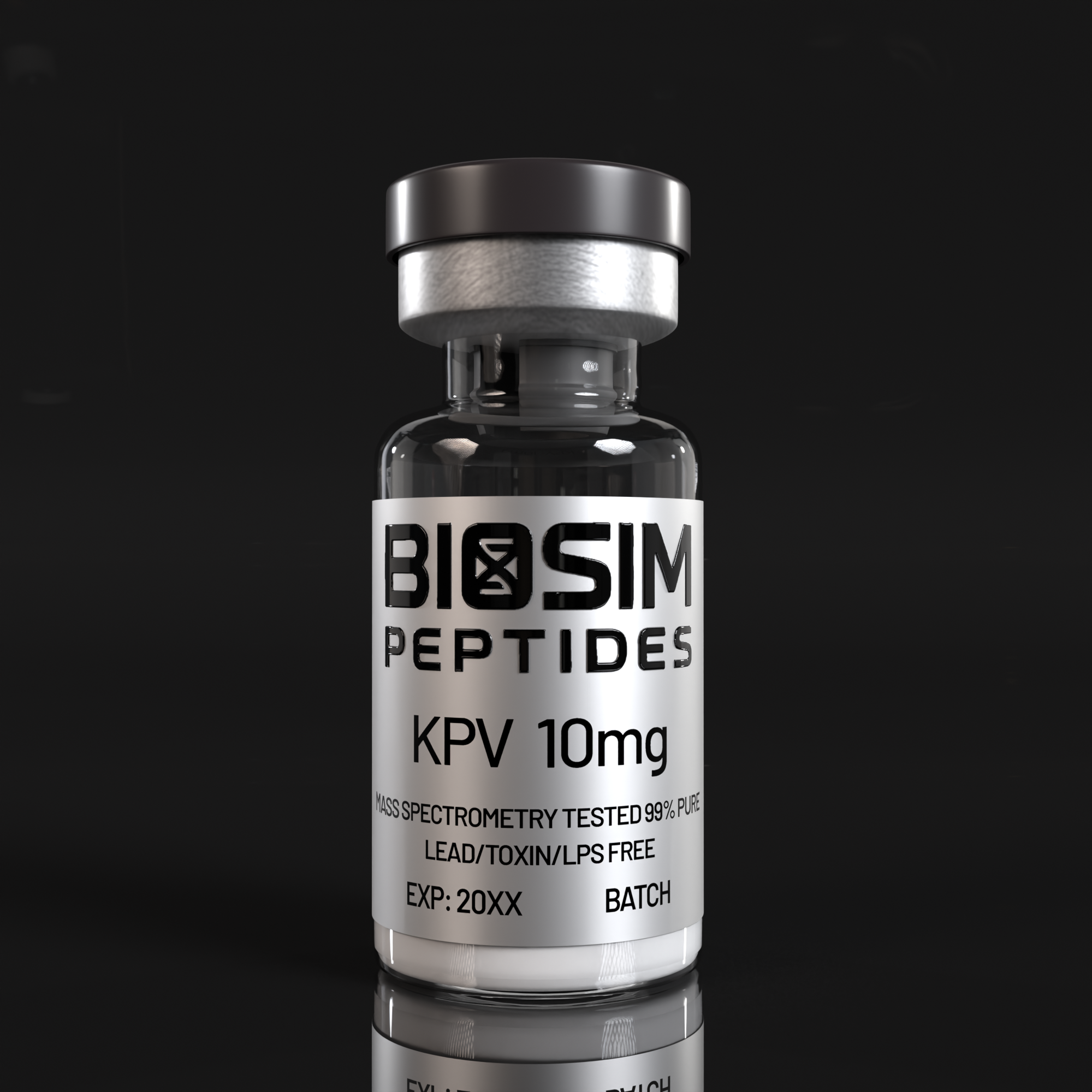
KPV (Lysine–Proline–Valine) – Research-Use-Only Peptide
KPV is a synthetic tripeptide fragment derived from the C-terminal sequence of alpha-melanocyte-stimulating hormone (α-MSH). This peptide has been examined in preclinical research for its potential anti-inflammatory and immunomodulatory properties within controlled laboratory environments. Below is a detailed overview of its scientific research context and primary areas of investigation.
KPV consists of three amino acids—lysine, proline, and valine—and represents the minimal bioactive sequence of α-MSH responsible for certain observed biological activities. Due to its small molecular structure and stability profile, KPV has attracted interest in peptide research focused on inflammatory signaling pathways and epithelial barrier function.
Research Overview
In experimental models, KPV has been investigated for its potential role in modulating pro-inflammatory cytokines and influencing immune responses. Research has explored its interaction with melanocortin receptors and its impact on inflammatory cascades, particularly within gastrointestinal and dermal research settings. While findings in laboratory studies have shown promising biological activity, comprehensive human clinical trials remain limited due to regulatory and ethical considerations.
Key Research Focus Areas
- Inflammation Modulation – Studied for potential regulation of pro-inflammatory cytokines in experimental models.
- Gastrointestinal Research – Examined in laboratory settings for its effects on epithelial integrity and inflammatory bowel models.
- Dermatological Research – Investigated for its potential influence on inflammatory skin conditions in preclinical studies.
- Immune System Signaling – Explored for interaction with melanocortin pathways and immune response mechanisms.
- Peptide Stability Studies – Evaluated for structural stability and degradation resistance in controlled environments.
All studies involving KPV are conducted under strict laboratory protocols in accordance with peptide biochemistry research standards.
For research use only. Not for human or animal consumption.

Reviews
There are no reviews yet.