Introduction
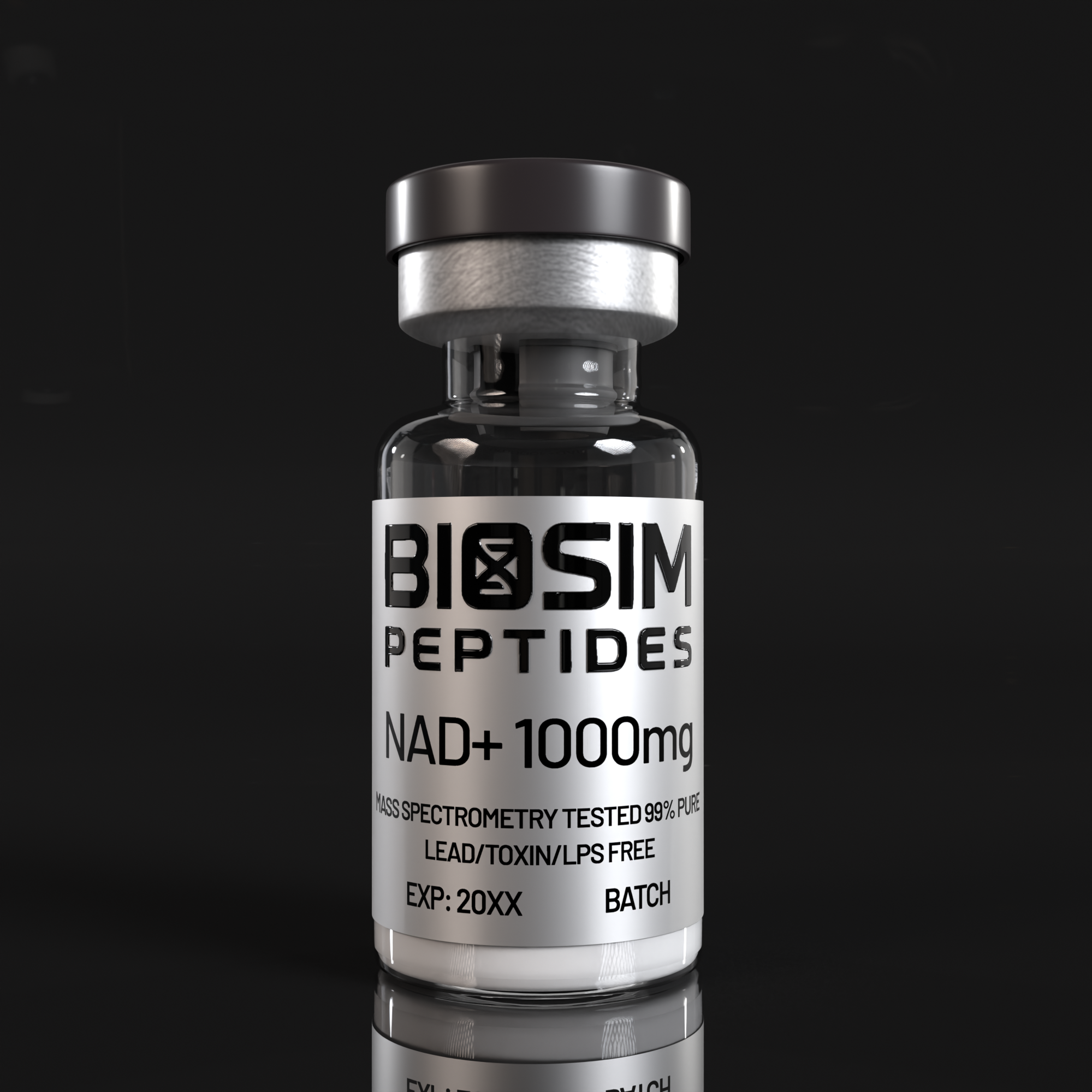
Nicotinamide adenine dinucleotide (NAD⁺) is a universal coenzyme and obligate substrate that occupies a central position at the intersection of cellular energy metabolism, genomic stability, and longevity regulation. Present in every living cell, NAD⁺ cycles between its oxidized (NAD⁺) and reduced (NADH) forms to facilitate over 400 enzymatic reactions, most prominently as an electron carrier in mitochondrial oxidative phosphorylation and glycolysis. Beyond its bioenergetic role, NAD⁺ serves as a consumable substrate for three major classes of signaling enzymes — sirtuins (class III histone deacetylases), poly(ADP-ribose) polymerases (PARPs), and cyclic ADP-ribose synthases (CD38/CD157) — each of which cleaves the nicotinamide moiety and consumes NAD⁺ in the process. The recognition that NAD⁺ levels decline systematically with age across multiple tissues, and that this decline is causally linked to hallmark features of aging including mitochondrial dysfunction, epigenetic dysregulation, genomic instability, and impaired proteostasis, has positioned NAD⁺ and its precursors at the forefront of aging research [1][2].
Biochemistry and Subcellular Compartmentalization
NAD⁺ is synthesized de novo from dietary tryptophan via the kynurenine pathway, or salvaged from nicotinamide (NAM), nicotinamide riboside (NR), and nicotinamide mononucleotide (NMN) through the Preiss-Handler and salvage pathways. The rate-limiting enzyme in the salvage pathway, nicotinamide phosphoribosyltransferase (NAMPT), converts NAM to NMN, which is subsequently adenylated to NAD⁺ by nicotinamide mononucleotide adenylyltransferases (NMNAT1-3). The intracellular NAD⁺ pool is not homogeneous — distinct subcellular compartments (nucleus, cytoplasm, mitochondria) maintain independent NAD⁺ concentrations and exhibit differential aging-related depletion kinetics. Nuclear NAD⁺ is consumed primarily by PARP1 in response to DNA damage, while mitochondrial NAD⁺ is maintained by NMNAT3 and is critical for sirtuin 3 (SIRT3)-mediated regulation of the electron transport chain and reactive oxygen species (ROS) homeostasis [1][2].
NAD⁺ Utilization Pathways
| Enzyme Class | Function | NAD⁺ Role | Aging Relevance |
|---|---|---|---|
| Sirtuins (SIRT1-7) | Deacetylation, genome stability, mitochondrial QC | Co-substrate — cleaved to NAM + 2′-O-acetyl-ADP-ribose | Reduced sirtuin activity with NAD⁺ decline → epigenetic aging |
| PARPs (PARP1-16) | DNA repair, genomic integrity | Substrate — cleaved to NAM + poly(ADP-ribose) | PARP1 hyperactivation depletes NAD⁺ in aging tissues |
| CD38/CD157 | Calcium signaling, immune regulation | Substrate — generates cADPR, ADPR, NAADP | CD38 expression increases with age → NAD⁺ degradation |
NAD⁺ Decline in Aging: Mechanisms and Consequences
The age-associated decline in tissue NAD⁺ levels — documented in human brain, liver, muscle, skin, and plasma — is not attributable to a single mechanism but rather reflects the cumulative dysregulation of multiple nodes in the NAD⁺ homeostatic network. Primary drivers include: (1) increased DNA damage burden with age leading to chronic PARP1 activation and NAD⁺ consumption; (2) age-related upregulation of the NAD⁺ hydrolase CD38 on pro-inflammatory M1 macrophages and senescent cells; (3) declining NAMPT expression and activity, reducing salvage pathway flux; and (4) mitochondrial dysfunction that impairs NAD⁺/NADH redox cycling. The resulting NAD⁺ deficit creates a self-reinforcing cycle: low NAD⁺ impairs PARP-mediated DNA repair, causing further DNA damage, which in turn consumes the remaining NAD⁺ pool [1][2].
The pathophysiological consequences of NAD⁺ depletion map onto the established hallmarks of aging with striking concordance. Sirtuin hypoactivity secondary to low NAD⁺ results in histone hyperacetylation, loss of heterochromatin, and transcriptional noise — features of epigenetic aging. Impaired SIRT3 activity in mitochondria diminishes complex I and complex IV efficiency, increasing ROS production. Reduced SIRT1-mediated deacetylation of PGC-1α impairs mitochondrial biogenesis. The convergence of these mechanisms on mitochondrial dysfunction, genomic instability, and epigenetic dysregulation positions NAD⁺ as a master regulator of the aging process rather than a passive metabolic intermediate [1][3].
NAD⁺ Precursors: Comparative Pharmacology
Direct administration of NAD⁺ faces pharmacokinetic barriers including limited membrane permeability, rapid extracellular degradation by CD38/CD73 ectoenzymes, and poor oral bioavailability. Consequently, research has focused on NAD⁺ precursors that penetrate cells and are converted to NAD⁺ intracellularly. The three principal precursors under investigation — nicotinamide riboside (NR), nicotinamide mononucleotide (NMN), and nicotinamide (NAM) — exhibit distinct pharmacokinetic profiles, tissue distributions, and effects on the NAD⁺ metabolome [4].
Nicotinamide Riboside (NR): NR is a pyridine-nucleoside form of vitamin B3 that enters cells via equilibrative nucleoside transporters (ENTs) and is phosphorylated to NMN by nicotinamide riboside kinases (NRK1/2). NR has the most extensive human clinical trial data among NAD⁺ precursors, with randomized controlled trials demonstrating increased whole-blood NAD⁺ levels, reduced inflammatory cytokines, and potential benefits in conditions including long-COVID, Friedreich’s ataxia, and nemaline myopathy [4][5][6].
Nicotinamide Mononucleotide (NMN): NMN is the direct precursor to NAD⁺, requiring only adenylation by NMNAT enzymes. The discovery of the Slc12a8 NMN transporter has clarified a direct cellular uptake mechanism, though the transporter’s expression is tissue-specific and may limit the efficacy of systemic NMN supplementation in certain contexts. Recent Phase I/II trials have investigated NMN for immune thrombocytopenia and metabolic indications [4][7].
Nicotinamide (NAM): As the least expensive and most widely available B3 vitamer, NAM serves as the primary substrate for the rate-limiting NAMPT reaction. However, NAM is also a potent sirtuin inhibitor at high concentrations through product inhibition, creating a narrow therapeutic window between effective NAD⁺ boosting and sirtuin suppression [4].
Research Applications
Aging and Longevity: NAD⁺ repletion studies in model organisms have demonstrated extension of healthspan and, in some cases, lifespan, through mechanisms involving sirtuin activation, improved mitochondrial function, and enhanced proteostasis. Translational research has focused on whether restoring youthful NAD⁺ levels in aging humans can recapitulate these effects, with endpoints including muscle strength, cognitive function, vascular health, and epigenetic aging clocks [1][2][3].
Neurodegeneration: NAD⁺ plays a critical role in neuronal health through multiple mechanisms including SIRT1-mediated regulation of tau acetylation, PARP-dependent DNA repair in post-mitotic neurons, and mitochondrial quality control via the ULK1-NAD⁺/SIRT1-mitophagy axis. Preclinical research has demonstrated that NAD⁺ augmentation ameliorates tau pathology, reduces neuroinflammation, and restores cognitive function in models of Alzheimer’s disease [3][8].
Inflammatory and Autoimmune Disease: NAD⁺ modulates immune cell function through sirtuin-mediated regulation of NF-κB, NLRP3 inflammasome activity, and T-cell differentiation. Recent clinical research has identified NAD⁺ augmentation via NR as a modulator of Th17-driven inflammation in psoriasis, with transcriptomic evidence of SLIT2/ROBO1 pathway engagement [5][7].
Metabolic Disease: NAD⁺ is intimately linked to circadian biology through the SIRT1-CLOCK:BMAL1 feedback loop that couples cellular metabolism to the circadian oscillator. NAD⁺ repletion has been shown to restore circadian gene expression amplitude in aged animals, with implications for metabolic diseases characterized by circadian disruption including type 2 diabetes and non-alcoholic fatty liver disease [1][2].
Mitochondrial Disorders: Primary mitochondrial diseases and secondary mitochondrial dysfunction in conditions such as nemaline myopathy represent promising research applications. NAD⁺ precursor supplementation has been shown to prevent mitochondrial dysfunction, reduce glial inflammation, and improve cellular energetics through complex I and complex IV activity restoration in relevant disease models [6][8].
Clinical Translation Landscape
The differential impact of NAD⁺ boosters on the human metabolome has been systematically characterized in head-to-head comparative studies. A 2026 study published in Nature Metabolism compared three NAD⁺ boosters (NR, NMN, and NAM) and demonstrated that while all three effectively increased circulating NAD⁺ levels, they produced divergent effects on the gut microbiome, the methyl-donor pool (via nicotinamide N-methyltransferase-mediated excretion of N-methylnicotinamide), and the broader metabolome. This finding has significant implications for research design: studies comparing NAD⁺ booster classes must account for off-target metabolic effects that may confound interpretation of NAD⁺-specific outcomes [4].
Safety and Handling
This product is supplied as a lyophilized powder for research purposes only. It is not for human consumption or diagnostic use. NAD⁺ is hygroscopic and sensitive to light, heat, and alkaline pH. Store lyophilized product at -20°C in a desiccated, light-protected environment. Reconstitute with sterile phosphate-buffered saline (PBS) or appropriate physiological buffer at neutral pH. Reconstituted NAD⁺ solutions undergo rapid hydrolysis in aqueous solution — aliquot and store at -80°C immediately after reconstitution; avoid freeze-thaw cycles. Do not vortex reconstituted solutions as shear stress may degrade the dinucleotide structure. Handle in accordance with institutional biosafety guidelines. Standard personal protective equipment (gloves, laboratory coat, eye protection) is recommended.
References
- PMID 41812700 — [2026 Review] NAD⁺ as a central metabolic hub regulating the hallmarks of aging: Mechanisms and therapeutic implications. Mech Ageing Dev. 2026.
- PMID 42228871 — [2026 Review] Mechanisms of NAD+ Homeostasis in Aging and Disease. Annu Rev Nutr. 2026.
- PMID 42323822 — [2026] Mitophagy mitigates tau acetylation via the ULK1-NAD(+)/SIRT1 axis in Alzheimer’s disease. Autophagy. 2026.
- PMID 41540253 — [2026] The differential impact of three different NAD(+) boosters on circulatory NAD and microbial metabolism in humans. Nat Metab. 2026.
- PMID 42048163 — [2026] NAD+ augmentation by nicotinamide riboside engages SLIT2/ROBO1 signaling to attenuate Th17 inflammation in psoriasis. JCI Insight. 2026.
- PMID 42328457 — [2026] Nicotinamide riboside reduces glial inflammation and boosts mitochondrial function. Int J Biol Sci. 2026.
- PMID 42056497 — [2026] Low-dose oral nicotinamide mononucleotide for immune thrombocytopenia: a phase 1/2 trial. Nat Med. 2026.
- PMID 41709697 — [2026] Loss of REST associated with Alzheimer’s disease pathology is ameliorated by NAD. Brain. 2026.

Reviews
There are no reviews yet.