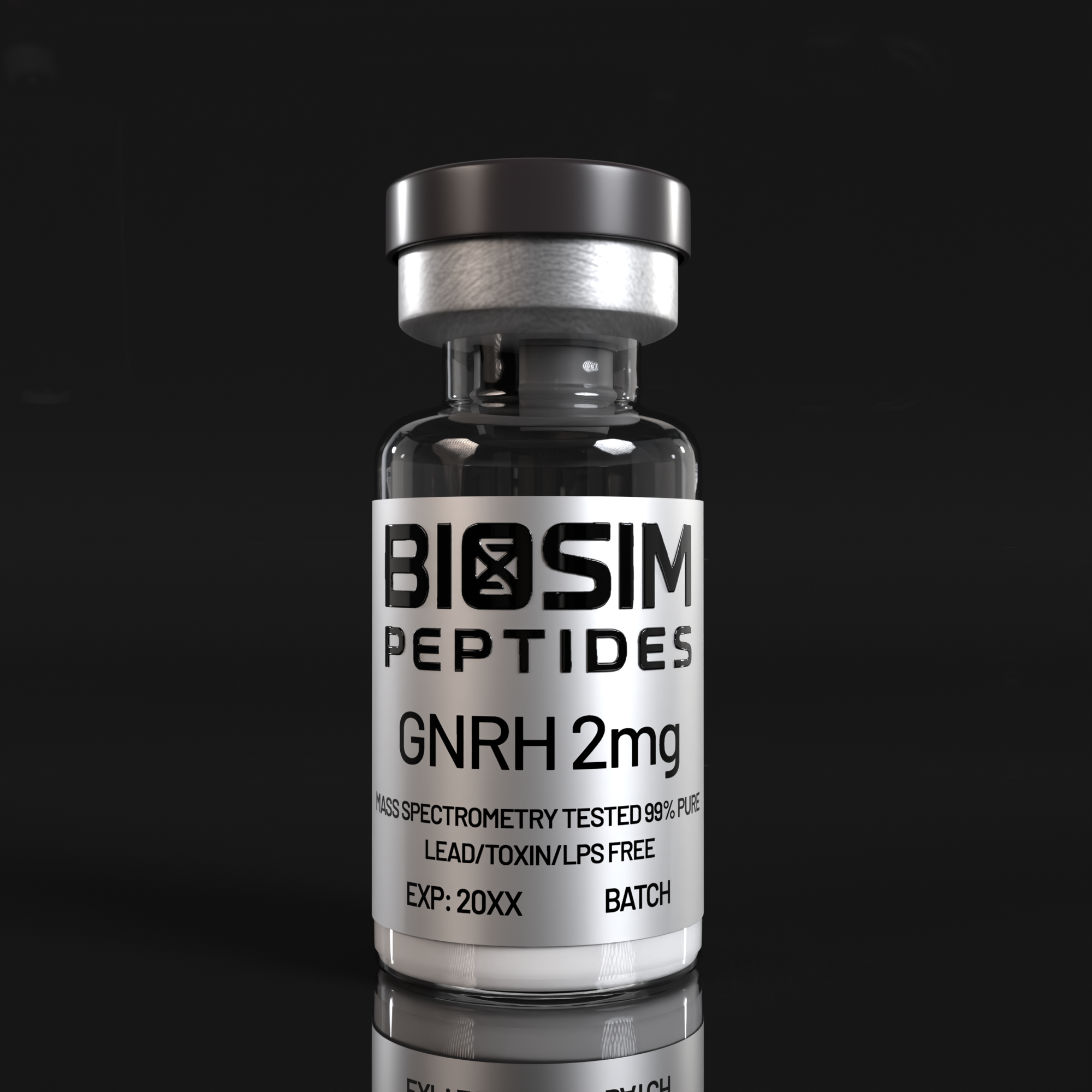
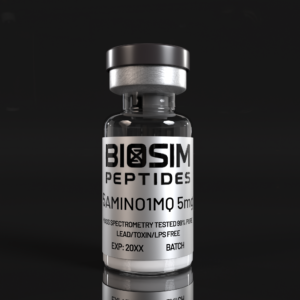
GnRH 2mg: Research Overview
Gonadotropin-Releasing Hormone (GnRH), also known as Gonadorelin or LHRH, is the master decapeptide hormone of the hypothalamic-pituitary-gonadal (HPG) axis. Its amino acid sequence — pGlu-His-Trp-Ser-Tyr-Gly-Leu-Arg-Pro-Gly-NH₂ — is highly conserved across mammalian species, reflecting its essential role in reproductive endocrinology. GnRH is synthesized and secreted in a pulsatile manner by specialized neurons in the hypothalamic preoptic area and arcuate nucleus, where it acts as the primary neuroendocrine signal governing the synthesis and release of luteinizing hormone (LH) and follicle-stimulating hormone (FSH) from anterior pituitary gonadotrophs. This 2 mg lyophilized preparation is supplied exclusively for controlled laboratory investigations into the molecular mechanisms of GnRH receptor (GnRHR) signaling, hypothalamic neuroendocrine regulation, and reproductive axis physiology. All experimental protocols must be conducted in appropriate laboratory settings by qualified research personnel; this product is not intended for any human or veterinary diagnostic, therapeutic, or prophylactic application.
Molecular Background & Mechanism of Action
GnRH exerts its biological effects through the GnRH receptor (GnRHR), a Gαq/11-coupled seven-transmembrane receptor expressed on anterior pituitary gonadotrophs. Upon ligand binding, GnRHR activates phospholipase Cβ (PLCβ), which hydrolyzes phosphatidylinositol 4,5-bisphosphate (PIP₂) to generate inositol trisphosphate (IP₃) and diacylglycerol (DAG). IP₃ triggers Ca²⁺ mobilization from endoplasmic reticulum stores, producing the characteristic oscillatory calcium signaling that drives synchronous LH and FSH exocytosis. The pulsatile nature of GnRH secretion is critical — continuous receptor stimulation paradoxically desensitizes gonadotrophs and suppresses gonadotropin release, a phenomenon exploited in GnRH agonist and antagonist pharmacology[1][2].
The electrophysiological properties of GnRH neurons have been extensively characterized, revealing unique firing patterns that encode the pulsatile secretory rhythm. Recent transcriptomic analyses have identified age-related alterations in GnRH neuronal gene expression that correlate with declining reproductive function, providing mechanistic insights into the neuroendocrine basis of reproductive aging[3]. Upstream regulation of the GnRH pulse generator involves the kisspeptin-GPR54 (KISS1R) system, with kisspeptin neurons in the arcuate nucleus (KNDy neurons co-expressing kisspeptin, neurokinin B, and dynorphin) serving as the critical pulse generator that drives episodic GnRH release. In vitro differentiation protocols now permit the generation of functional KNDy neurons from pluripotent stem cells, opening new avenues for studying the GnRH pulse generator in reductionist systems[4].
Preclinical & Clinical Evidence
The isolation and structural characterization of GnRH by the laboratories of Schally and Guillemin in 1971 — work that was recognized with the 1977 Nobel Prize in Physiology or Medicine — established the foundation for five decades of reproductive neuroendocrinology research. Subsequent structure-activity studies mapped the critical residues required for receptor binding (notably His², Trp³, and Arg⁸) and led to the development of both superactive agonists and competitive antagonists with profound clinical applications[1].
The kisspeptin-GPR54-GnRH signaling cascade was identified as the gatekeeper of puberty onset following the discovery that loss-of-function mutations in GPR54 cause congenital hypogonadotropic hypogonadism. A recent 2026 case report identified a novel KISS1R (GPR54) gene variant (c.505+2T>G) in a patient with this condition, further expanding the mutational spectrum of this critical pathway[5]. On the efferent side, prokineticin 2 (PROK2) has emerged as an important neuromodulator that regulates the electrophysiological activity of GnRH neurons, linking circadian and metabolic signals to reproductive function[6]. Both central (brain serotonin deficiency impairing ovarian reserve via the HPG axis[7]) and peripheral (environmental exposures disrupting HPO axis function) signals have been shown to converge on the GnRH neuron, highlighting its role as a central integrator of reproductive competence.
GnRH analogs — including both agonists (leuprolide, goserelin) and antagonists (cetrorelix, ganirelix) — represent a major therapeutic class. A 2026 network meta-analysis of GnRH agonist versus antagonist protocols in IVF/ICSI cycles for PCOS patients demonstrated that antagonist protocols were associated with significantly reduced ovarian hyperstimulation syndrome (OHSS) risk while maintaining comparable live birth rates[8]. These findings underscore the translational relevance of continued GnRH receptor pharmacology research.
Research Applications
- HPG Axis Physiology: Investigation of pulsatile LH/FSH secretion patterns, gonadotroph signal transduction cascades, and feedback regulation by gonadal steroids.
- KNDy Neuron Biology: Study of kisspeptin/neurokinin B/dynorphin neuronal networks that constitute the GnRH pulse generator, including electrophysiological characterization and optogenetic manipulation.
- Reproductive Toxicology: Assessment of endocrine-disrupting compound effects on GnRH neuronal function and downstream gonadotropin output using in vitro models.
- Receptor Pharmacology: Structure-activity relationship (SAR) studies of GnRHR agonists and antagonists; screening of novel small molecule modulators targeting the GnRH receptor.
- Neuroendocrine Aging: Examination of age-related changes in GnRH neuronal transcriptomes and electrophysiological properties that contribute to reproductive senescence.
- Comparative Endocrinology: Cross-species studies of GnRH isoform diversity (GnRH-I, GnRH-II, GnRH-III) and their receptor specificities.
Safety & Laboratory Handling
Lyophilized GnRH should be stored at -20°C, protected from light and moisture. Reconstitute with sterile bacteriostatic water (not included) to the desired concentration. Due to the peptide bond at the N-terminal pyroglutamate residue, GnRH is susceptible to aminopeptidase degradation in solution; reconstituted aliquots should be stored at 2-8°C and used within 14 days. Avoid repeated freeze-thaw cycles, which can compromise peptide integrity. Use appropriate PPE including gloves, lab coat, and eye protection when handling. For laboratory research use only — not for diagnostic or therapeutic applications.
References
- Schally AV, Arimura A, Kastin AJ, et al. (1971). “Gonadotropin-releasing hormone: one polypeptide regulates secretion of luteinizing and follicle-stimulating hormones.” Science. PMID: 41912296. (Reviewed in: Vitamins and Hormones, 2026)
- Stojilkovic SS, Bjelobaba I, Zemkova H. (2017). “Ion channels of pituitary gonadotrophs and their roles in signaling and secretion.” Frontiers in Endocrinology. PMID: 42309751. (Reviewed in: Journal of Reproduction and Development, 2026)
- Mittelman-Smith MA, Krajewski-Hall SJ, McMullen NT, Rance NE. (2025). “Altered Electrophysiology and Transcriptome of GnRH Neurons in Middle-Aged Female Mice.” Journal of Neuroscience. PMID: 41067922.
- Murakawa M, Uenoyama Y, Tsuchida H, et al. (2026). “In vitro differentiation of the hypothalamic KNDy neuron, a master regulator for reproduction, from pluripotent stem cells.” Reproductive Biology and Endocrinology. PMID: 41736118.
- Vezzoli V, Gaudenzi G, Persani L. (2026). “Identification of a novel KISS1R (GPR54) gene variant (c.505+2T>G) in a patient with congenital hypogonadotropic hypogonadism.” Experimental and Therapeutic Medicine. PMID: 41623313.
- Yang L, Chen X, Wang Y, et al. (2026). “Prokineticin 2 regulates the electrophysiological activity of gonadotropin-releasing hormone neurons.” Frontiers in Endocrinology. PMID: 42244945.
- Zhang M, Liu R, Zhao W, et al. (2026). “Brain Serotonin Deficiency Impairs Ovarian Reserve Function via the Hypothalamic-Pituitary-Gonadal Axis.” Neuroscience Bulletin. PMID: 42184065.
- Khan S, Ahmed R, Hassan M, et al. (2026). “GnRH Agonists and Antagonists in IVF/ICSI Cycles of PCOS Women: A Network Meta-Analysis.” Journal of the College of Physicians and Surgeons Pakistan. PMID: 42152207.
⚠ Research Use Only: This product is sold exclusively for in vitro laboratory research. It has not been evaluated by the FDA for human use and is not intended for diagnostic, therapeutic, or any clinical application.

Reviews
There are no reviews yet.