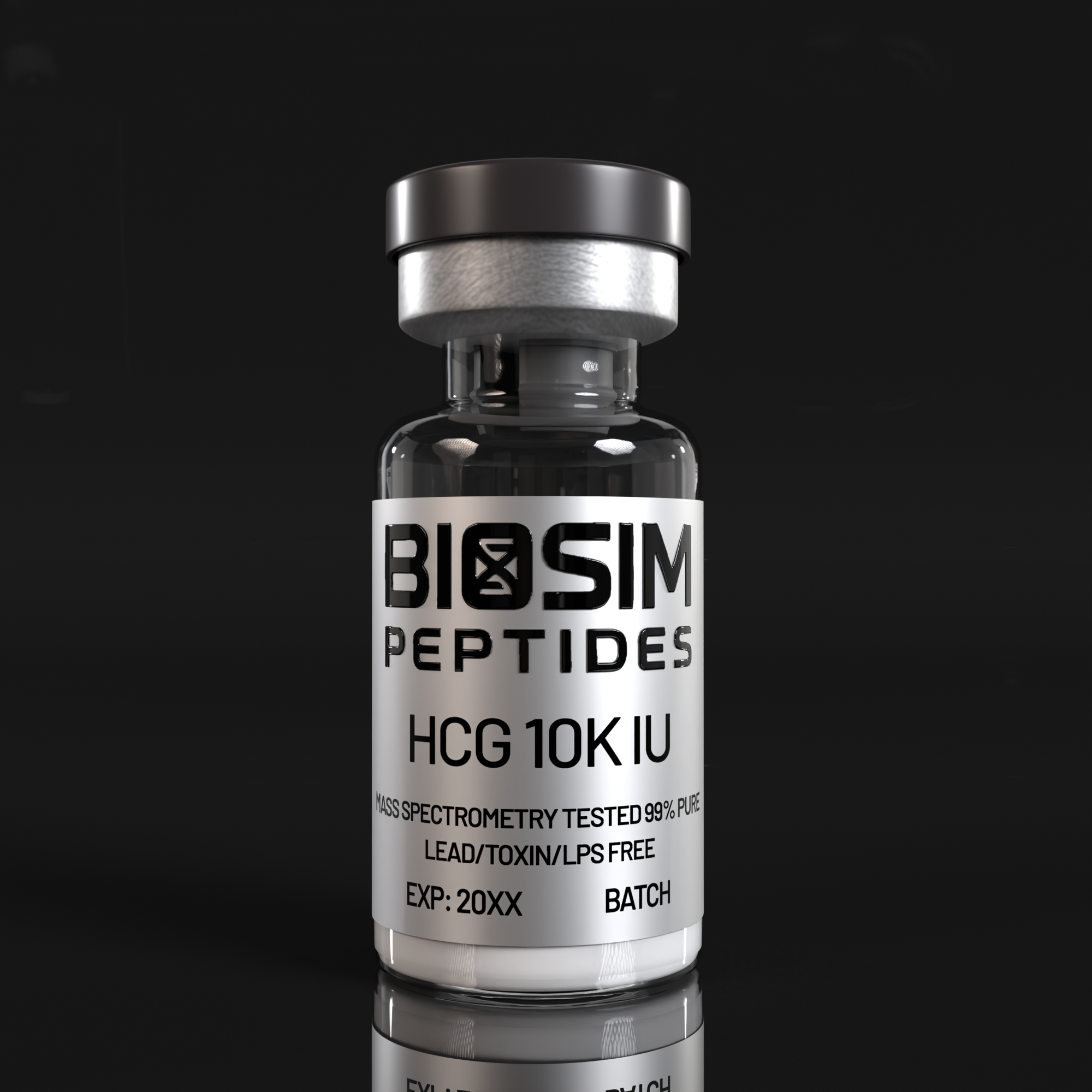
HCG 10,000iu

Categories:

Buy HCG 10,000 IU — Human Chorionic Gonadotropin for hormone and fertility research. COA verified. Premium purity from BioSim Peptides.

$100.00

Guaranteed Safe Checkout

⚠️ RESEARCH USE ONLY

This product is for R&D purposes only and is not approved for human or veterinary use.

Introduction — Research Disclaimer

Product PID 418 — HCG 10,000 IU (human chorionic gonadotropin) is supplied exclusively as a lyophilized research reagent. This product is strictly for in vitro laboratory investigation and non-clinical experimental use only. It is not manufactured, labeled, or intended for human or veterinary therapeutic administration, diagnostic application, or any form of clinical use whatsoever. Purchasers and end-users must be affiliated with accredited research institutions, universities, biotechnology firms, or contract research organizations operating in compliance with all applicable local, national, and international regulations governing the acquisition and handling of peptide and glycoprotein research materials. Biosim Peptides expressly disclaims any liability arising from misuse, off-label application, or unauthorized resale of this product. By ordering PID 418, the purchasing entity certifies that the material will be employed solely within lawful research programs and handled by personnel trained in biosafety and chemical hygiene protocols appropriate for glycoprotein reagents.

Human chorionic gonadotropin occupies a unique position at the intersection of reproductive endocrinology, glycoprotein biochemistry, and oncological biomarker research. As a heterodimeric glycoprotein hormone with structural and functional homology to luteinizing hormone (LH), HCG has served as a cornerstone molecular tool for elucidating G protein-coupled receptor (GPCR) signaling cascades, steroidogenic pathway regulation, and the role of carbohydrate microheterogeneity in modulating ligand-receptor interactions and serum half-life. This product page provides a comprehensive molecular and methodological reference for investigators planning to incorporate HCG 10,000 IU into their experimental workflows.

Molecular Overview

Primary and Quaternary Architecture

HCG is a member of the glycoprotein hormone family, which also includes LH, follicle-stimulating hormone (FSH), and thyroid-stimulating hormone (TSH). All four hormones share a common architecture — a non-covalent heterodimer composed of an identical α subunit and a hormone-specific β subunit that confers receptor selectivity and biological specificity.

The HCG α subunit (common α subunit, CGA) comprises 92 amino acid residues and is encoded by the CGA gene located on chromosome 6q14.3. This subunit is shared across the glycoprotein hormone family and contains five intramolecular disulfide bonds that stabilize a characteristic cystine-knot tertiary fold. Two N-linked glycosylation sites (Asn-52 and Asn-78) are occupied by complex-type oligosaccharides that are critical for efficient heterodimer assembly, intracellular trafficking, and signal transduction potency.

The HCG β subunit is the distinguishing component, comprising 145 amino acid residues encoded by a cluster of six CGB genes on chromosome 19q13.32. Notable features include:

  • Total amino acid length: 237 residues across both subunits (92 α + 145 β).
  • Approximate molecular weight: ~36.7 kDa for the intact glycosylated heterodimer, with the polypeptide backbone contributing ~25.7 kDa and carbohydrate moieties accounting for approximately 30% of total mass.
  • C-terminal peptide extension: The β subunit possesses a unique 24-residue O-glycosylated carboxyl-terminal peptide (CTP, residues 122–145) not present in LHβ. This extension contributes four mucin-type O-linked oligosaccharide chains and is primarily responsible for the markedly prolonged circulating half-life of HCG (~36 hours) compared with LH (~20–30 minutes).
  • Disulfide bonding: The β subunit contains six intramolecular disulfide bonds forming the cystine-knot architecture, analogous to the α subunit, and the subunits are non-covalently associated through extensive hydrophobic and hydrogen-bonding interfaces. A “seatbelt” loop in the β subunit wraps around α-helix 2 of the α subunit, physically clasping the dimer together.
  • Glycosylation microheterogeneity: Both N-linked and O-linked glycans exhibit substantial structural diversity (branching, sialylation, fucosylation, sulfation) that generates an array of circulating isoforms, including hyperglycosylated HCG (hCG-H), which is produced predominantly by cytotrophoblast cells and certain malignancies.

Isoform Diversity

Investigators should be aware of the principal HCG isoforms relevant to research:

  • Intact HCG (hCG): The biologically active α/β heterodimer, the dominant form in early pregnancy serum.
  • Hyperglycosylated HCG (hCG-H): Characterized by larger, more complex N-linked and O-linked oligosaccharides; acts primarily as an autocrine growth factor rather than a classical endocrine hormone; highly expressed in choriocarcinoma and germ cell tumors.
  • Free β subunit (hCGβ): Circulates at low levels in normal pregnancy but is markedly elevated in testicular and ovarian germ cell malignancies, as well as in gestational trophoblastic disease.
  • Nicked HCG (hCGn): Produced by proteolytic cleavage within the β subunit loop region (residues 44–49); retains immunoreactivity in many commercial assays but exhibits markedly reduced receptor-binding affinity.
  • β-core fragment (hCGβcf): A urinary degradation product (residues 6–40 and 55–92 linked by disulfide bonds) lacking the CTP and large portions of the β subunit sequence.

The lyophilized product supplied as PID 418 contains intact, dimeric HCG suitable for controlled experimental investigation of native ligand-receptor pharmacology.

Mechanism of Action

LHCGR Engagement and Signal Transduction

HCG exerts its biological effects through high-affinity binding to the luteinizing hormone/chorionic gonadotropin receptor (LHCGR), a member of the rhodopsin-like Class A G protein-coupled receptor (GPCR) superfamily. The LHCGR is encoded by a single gene on chromosome 2p21 and comprises a large extracellular domain (ECD) containing leucine-rich repeats (LRRs) responsible for high-affinity ligand recognition, connected via a hinge region to the canonical seven-transmembrane (7TM) helical bundle.

The binding mechanism proceeds through a two-step model:

  1. High-affinity capture: The HCG β subunit CTP and portions of the α–β interface engage the concave inner surface of the LRR domain with sub-nanomolar affinity (Kd ~0.1–0.3 nM for the human receptor). This interaction is stabilized by the extensive glycosylation of both subunits.
  2. Signal initiation: The ligand-occupied ECD undergoes a conformational shift that permits the hinge region to interact with the extracellular loops and/or N-terminus of the 7TM domain, triggering receptor activation.

Upon agonist activation, the LHCGR preferentially couples to the Gαs heterotrimeric G protein. Gαs stimulates adenylyl cyclase, catalyzing the conversion of ATP to the second messenger cyclic adenosine-3′,5′-monophosphate (cAMP). Elevated intracellular cAMP activates protein kinase A (PKA), which phosphorylates an array of downstream targets, including:

  • Steroidogenic acute regulatory protein (StAR): PKA-mediated phosphorylation of StAR facilitates cholesterol transport from the outer to inner mitochondrial membrane, the rate-limiting step in steroid hormone biosynthesis.
  • CREB (cAMP response element-binding protein): PKA translocates to the nucleus and phosphorylates CREB at Ser-133, driving transcription of genes containing cAMP response elements (CREs), including those encoding steroidogenic enzymes (CYP11A1, CYP17A1, HSD3B2).
  • MAPK/ERK pathway: At higher agonist concentrations or with sustained stimulation, LHCGR transactivates the epidermal growth factor receptor (EGFR) and activates the Ras-Raf-MEK-ERK cascade, promoting cell survival and proliferation in certain cellular contexts.

In addition to Gαs, LHCGR can couple to Gαq/11 (activating phospholipase C-β, generating IP3 and DAG, and mobilizing intracellular calcium) under conditions of high receptor density or supraphysiological ligand concentrations — a phenomenon with implications for in vitro experimental design.

Receptor Desensitization

Like most GPCRs, the LHCGR undergoes rapid homologous desensitization upon prolonged agonist exposure. G protein-coupled receptor kinases (GRKs, primarily GRK2 and GRK6) phosphorylate serine/threonine residues in the intracellular loops and C-terminal tail, promoting β-arrestin recruitment. β-Arrestin-2 sterically blocks further G protein coupling and targets the receptor for clathrin-mediated endocytosis. Researchers should consider this adaptive response when designing time-course or dose-response experiments with PID 418.

Research Applications

The HCG/LHCGR signaling axis has been exploited across a diverse spectrum of biomedical research domains. Representative experimental applications include:

Reproductive Endocrinology and Steroidogenesis

HCG is the standard pharmacological probe for interrogating gonadal steroidogenic capacity in cell-based models. Primary Leydig cell cultures, MA-10 mouse Leydig tumor cells, and human granulosa-lutein cells are widely employed to dissect cAMP/PKA-dependent and -independent steroidogenic signaling. Experimental endpoints typically include testosterone, progesterone, or estradiol quantification by ELISA, LC-MS/MS, or RIA; StAR and CYP enzyme expression via qRT-PCR and Western blotting; and mitochondrial cholesterol flux measurements.

GPCR Pharmacology and Signal Bias

The LHCGR serves as a model Class A GPCR for investigating biased agonism, allosteric modulation, and receptor oligomerization. Comparative studies employing HCG (full agonist), deglycosylated HCG variants (partial agonists), and small-molecule LHCGR modulators permit dissection of Gαs versus β-arrestin signaling bias. BRET and FRET biosensors (e.g., EPAC-based cAMP sensors, β-arrestin recruitment assays) enable real-time kinetic resolution of these signaling modalities in live cells.

Oncology and Tumor Biomarker Research

HCG and its free β subunit are established serum biomarkers for gestational trophoblastic disease (hydatidiform mole, choriocarcinoma) and testicular germ cell tumors (seminoma, nonseminoma). Beyond biomarker studies, HCG serves as an autocrine/paracrine factor in certain malignancies. Hyperglycosylated HCG (hCG-H) promotes trophoblast invasion and has been implicated in the invasive phenotype of choriocarcinoma and other TGF-β-resistant cancers. Researchers employ PID 418 as a reference standard in immunoassay development, as a positive control in hCG-H detection panels, and to study hCG-mediated modulation of tumor cell migration, invasion, and angiogenesis in vitro.

Thyroid-Stimulating Activity Studies

Due to the structural homology between HCG and TSH, supraphysiological concentrations of HCG can cross-activate the TSH receptor (TSHR) owing to the shared α subunit and overlapping receptor architecture. This phenomenon is exploited experimentally to investigate the molecular determinants of GPCR ligand selectivity and to model gestational thyrotoxicosis at the receptor level.

Endometrial and Implantation Biology

HCG is a critical paracrine regulator at the maternal-fetal interface, modulating endometrial receptivity, decidualization, angiogenesis (via VEGF induction), and maternal immune tolerance (via regulatory T-cell expansion and NK cell modulation). In vitro co-culture models of trophoblast spheroids on endometrial epithelial monolayers, or endometrial stromal cell decidualization assays, frequently incorporate HCG treatment to recapitulate peri-implantation signaling.

Key Published Studies

The following peer-reviewed investigations represent foundational and methodological contributions to the understanding of HCG structure, signaling, and research utility:

  • Cole LA (2010). Biological functions of hCG and hCG-related molecules. Reproductive Biology and Endocrinology, 8:102. Comprehensive review cataloging the structural isoforms of HCG, their tissue-specific biosynthesis, and the functional repertoire beyond luteal progesterone maintenance, including roles in angiogenesis, immune modulation, and growth factor signaling. PMID: 20723297
  • Choi J, Smitz J (2014). Luteinizing hormone and human chorionic gonadotropin: distinguishing unique physiologic roles. Gynecological Endocrinology, 30(3):174–181. A comparative analysis of LH versus HCG signaling through the LHCGR, emphasizing differential cAMP kinetics, receptor residency time, and the functional consequences of the CTP extension on signal duration and intensity. PMID: 24283426
  • Casarini L, Santi D, Brigante G, Simoni M (2018). Two hormones for one receptor: evolution, biochemistry, actions, and pathophysiology of LH and hCG. Endocrine Reviews, 39(5):549–592. Authoritative 44-page review covering LHCGR structure-function relationships, biased signaling modalities, allosteric modulation, and the clinical and experimental implications of differential LH versus hCG receptor activation profiles. PMID: 29982572
  • Narayan P, Wu C, Puett D (2002). Functional expression of yoked human chorionic gonadotropin-receptor complexes. Molecular Endocrinology, 16(12):2733–2745. A methodological landmark demonstrating that genetically fused single-chain HCG-LHCGR constructs retain full signaling competence, enabling precise stoichiometric control in heterologous expression systems and providing a platform for structure-function mutagenesis studies of the ligand-receptor interface. PMID: 12456794
  • Cole LA, Butler SA (2012). Hyperglycosylated hCG, a review. Placenta, 33(2):81–86. Detailed characterization of hCG-H biosynthesis by cytotrophoblasts, its autocrine TGF-β-antagonist activity, and the mechanistic basis for its use as a discriminatory biomarker for invasive trophoblastic disease versus benign pregnancy. PMID: 22138068
  • Rivero-Müller A, Chou YY, Ji I, Lajic S, Hanyaloglu AC, Jonas K, Rahman N, Ji TH, Huhtaniemi I (2010). Rescue of defective G protein-coupled receptor function in vivo by intermolecular cooperation. Proceedings of the National Academy of Sciences, 107(5):2207–2212. Seminal paper demonstrating LHCGR dimerization and intermolecular functional complementation in vivo, with implications for understanding receptor oligomerization as a pharmacological variable in experimental design. PMID: 20080615
  • Ricciotti E, FitzGerald GA (2011). Prostaglandins and inflammation. Arteriosclerosis, Thrombosis, and Vascular Biology, 31(5):986–1000. While broader in scope, this review contextualizes PKA-mediated signaling cascades relevant to HCG-driven COX-2 induction and prostaglandin synthesis at the fetomaternal interface, informing experimental protocols that incorporate inflammatory readouts alongside HCG treatment. PMID: 21508345
  • Mizrachi Y, Shemesh M (1996). Bovine granulosa cells as a model for studying the mechanism of hCG action. Molecular and Cellular Endocrinology, 119(2):147–156. A methodologically instructive study detailing primary granulosa cell isolation, culture conditions, and HCG dose-response parameters for cAMP accumulation and progesterone secretion endpoints, with protocols adaptable to human and rodent systems. PMID: 8807634

Handling, Reconstitution, and Storage

Product Specifications

  • Catalog designation: PID 418
  • Net content: 10,000 International Units (IU) human chorionic gonadotropin, lyophilized
  • Appearance: White to off-white lyophilized powder or cake
  • Purity: ≥97% by RP-HPLC and SDS-PAGE (non-reducing and reducing conditions)
  • Confirmed molecular weight: ~36.7 kDa (intact glycosylated heterodimer) by MALDI-TOF mass spectrometry
  • Endotoxin: <0.1 EU/μg as determined by LAL chromogenic assay
  • Storage recommendation (lyophilized): −20 °C, desiccated, protected from light. Stable for 24 months from date of manufacture under these conditions.

Reconstitution Protocol

  1. Equilibrate the sealed vial to ambient temperature (20–25 °C) for 15–20 minutes before opening to prevent moisture condensation onto the lyophilized cake.
  2. Prepare sterile, endotoxin-free solvent appropriate for the experimental system. For most cell culture applications, sterile phosphate-buffered saline (PBS, pH 7.4) or serum-free culture medium is recommended. For biochemical assays (ELISA standards, SPR binding studies), 10 mM sodium phosphate buffer (pH 7.0–7.4) containing 0.1% (w/v) bovine serum albumin (BSA) as a carrier protein may be used to minimize adsorptive losses to container surfaces.
  3. Add the desired volume of solvent to achieve the target stock concentration. Typical working stocks range from 100–1,000 IU/mL. Allow the solvent to flow gently down the vial wall to minimize foaming and shear stress on the glycoprotein.
  4. Swirl gently or roll the vial between fingertips. Do not vortex, as vigorous agitation can denature the non-covalently associated heterodimer, dissociate the α and β subunits, and reduce bioactivity.
  5. Allow the solution to stand undisturbed for 5–10 minutes to ensure complete dissolution. If residual particulates are observed, additional gentle swirling may be employed.
  6. Aliquot reconstituted HCG into single-use or limited-use volumes in low-protein-binding polypropylene microcentrifuge tubes or cryovials to minimize freeze-thaw cycles.
  7. Storage of reconstituted solution: Store aliquots at −20 °C or −80 °C. Avoid repeated freeze-thaw cycles; bioactivity loss of approximately 10–15% per cycle is typical. Reconstituted HCG stored at 4 °C should be used within 7 days. Lyophilized material should not be re-lyophilized after reconstitution.

Stability Considerations

HCG is susceptible to dissociation and aggregation under acidic conditions (pH <5.0), elevated temperatures (>37 °C), and prolonged exposure to UV light. The β subunit CTP is particularly vulnerable to proteolytic cleavage in solutions contaminated with serine or metalloproteinases. Researchers are advised to verify bioactivity in pilot experiments after prolonged storage by parallel comparison with a freshly reconstituted aliquot, using a standardized cAMP accumulation or steroidogenesis endpoint in a responsive cell line (e.g., MA-10 or mLTC-1).

Safety and Compliance

Hazard Classification

PID 418 is classified as a research-grade biochemical reagent. Under conditions of intended laboratory use, HCG does not present acute toxicity, genotoxicity, or carcinogenicity hazards to personnel employing standard biosafety practices. Nevertheless, as a biologically active glycoprotein hormone, the following precautions are mandatory:

  • Personal protective equipment (PPE): Laboratory coat, nitrile or latex gloves, and safety glasses or goggles must be worn when handling the lyophilized powder or reconstituted solutions. A properly fitted N95 respirator or equivalent particulate mask is recommended when weighing lyophilized powder outside of a biosafety cabinet.
  • Engineering controls: Weighing and reconstitution should be conducted in a certified Class II biological safety cabinet (BSC) equipped with HEPA filtration. Solutions should be handled using aseptic technique to preserve product integrity and prevent environmental contamination.
  • Spill and decontamination: Small liquid spills should be absorbed with disposable paper towels, and the affected surface should be cleaned with 70% (v/v) ethanol or 0.5% sodium hypochlorite solution followed by 70% ethanol. Contaminated disposables should be placed in biohazard waste containers and autoclaved prior to final disposal.
  • Waste disposal: All HCG-containing waste (pipette tips, tubes, residual solutions, contaminated PPE) must be disposed of in accordance with institutional biosafety guidelines for biologically active reagents. Chemical inactivation with 10% bleach (final concentration 0.5% sodium hypochlorite, 30-minute contact time) is recommended before terminal disposal.
  • Sensitization: Although HCG is a human-identical hormone and immunogenicity is low, repeated occupational exposure to heterologous glycoproteins (including those of human sequence) may theoretically elicit anti-HCG antibodies. Personnel should avoid unnecessary skin or mucosal contact.
  • Shipping classification: PID 418 is classified as non-hazardous/non-infectious for transport purposes (not subject to IATA/ADR dangerous goods regulations). Ambient temperature shipping is acceptable for lyophilized product, with recommended transfer to −20 °C upon receipt.

Regulatory Statement

THIS PRODUCT IS FOR RESEARCH USE ONLY AND IS NOT FOR USE IN HUMANS OR ANIMALS FOR DIAGNOSTIC, THERAPEUTIC, OR PROPHYLACTIC PURPOSES. Biosim Peptides makes no representations or warranties, express or implied, regarding the suitability of PID 418 for any specific experimental application. The end-user bears sole responsibility for determining the appropriateness of this material for their research objectives, for compliance with institutional biosafety committee (IBC) and institutional review board (IRB) requirements, and for adherence to all applicable laws and regulations.

Frequently Asked Questions

1. What is the molecular structure of HCG 10,000 IU, and how does its glycosylation affect experimental outcomes?

HCG is an α/β glycoprotein heterodimer comprising 237 amino acids (92-residue α subunit + 145-residue β subunit) with a total molecular mass of approximately 36.7 kDa, of which roughly 30% is contributed by N-linked and O-linked carbohydrate chains. The β subunit’s unique C-terminal peptide extension bears four O-linked glycans that prolong the circulating half-life to ~36 hours in vivo systems. In vitro, the extent of sialylation and branching influences ligand-receptor binding kinetics, with desialylated HCG exhibiting reduced receptor affinity and accelerated hepatic clearance. Researchers should be aware that different commercial HCG preparations may exhibit varying glycosylation profiles — PID 418 is sourced and quality-controlled to ensure a consistent, biologically relevant glycoform distribution. When comparing results across studies, investigators should verify the glycoform composition of the HCG reagent employed, as this variable can significantly affect potency in cAMP accumulation, steroidogenesis, and receptor internalization assays.

2. How does HCG differ functionally from luteinizing hormone (LH), and why does this matter for experimental design?

Both HCG and LH bind and activate the same receptor (LHCGR), yet they produce quantitatively and qualitatively distinct signaling outcomes. Three principal differences are relevant to research: (1) Receptor binding affinity: HCG binds LHCGR with approximately 5-fold higher affinity than LH (Kd ~0.1–0.3 nM versus ~1 nM), attributable to the CTP extension and differential glycosylation. (2) Residency time: HCG occupies the receptor for significantly longer durations, generating sustained cAMP elevation, whereas LH produces a transient cAMP spike followed by rapid desensitization. (3) Signaling bias: Emerging evidence indicates that HCG and LH differentially activate β-arrestin-dependent signaling pathways, with HCG exhibiting stronger bias toward Gαs/cAMP relative to β-arrestin recruitment compared with LH. These differences mean that HCG cannot be assumed to be a simple LH surrogate; investigators studying acute versus chronic LHCGR stimulation, or seeking to model pulsatile LH signaling, should carefully consider which ligand is most appropriate for their specific hypothesis.

3. What in vitro research applications is HCG 10,000 IU most commonly used for?

PID 418 is employed across five principal research domains: (a) Steroidogenesis assays in Leydig, granulosa, or adrenocortical cell models, with testosterone, progesterone, or cortisol as endpoints; (b) GPCR pharmacological studies of LHCGR signaling bias, allosteric modulation, and receptor dimerization/oligomerization; (c) Oncology biomarker research employing HCG as a reference standard for immunoassay development, sandwich ELISA optimization, or mass spectrometry-based glycoproteomics of hCG isoforms; (d) Thyroid receptor cross-reactivity studies exploiting the structural homology between HCG and TSH to investigate determinants of GPCR ligand specificity; and (e) Implantation and endometrial biology models using trophoblast-endometrial co-culture systems to dissect paracrine signaling at the maternal-fetal interface. The 10,000 IU vial format is designed for laboratories conducting extensive dose-response analyses or high-throughput screening campaigns requiring substantial quantities of ligand.

4. How should HCG 10,000 IU be reconstituted and stored to maintain bioactivity?

Reconstitute the lyophilized powder in sterile PBS (pH 7.4) or serum-free culture medium, adding the solvent gently down the vial wall and swirling — never vortexing — to dissolve. Typical stock concentrations of 100–1,000 IU/mL are recommended. Following reconstitution, HCG solutions should be aliquoted into single-use volumes in low-protein-binding polypropylene tubes to avoid repeated freeze-thaw cycles; each freeze-thaw cycle typically reduces bioactivity by 10–15%. Aliquots should be stored at −20 °C (short-term, up to 3 months) or −80 °C (long-term, >3 months). Reconstituted HCG stored at 4 °C should be used within 7 days. Lyophilized PID 418 is stable for 24 months at −20 °C when protected from light and moisture. Researchers should verify bioactivity after prolonged storage by running a parallel cAMP or steroidogenesis assay against a freshly reconstituted reference aliquot.

5. What safety precautions are required when handling HCG 10,000 IU in the laboratory?

Although HCG is classified as a non-hazardous research reagent, appropriate biosafety practices are mandatory. Personnel must wear a laboratory coat, gloves, and safety glasses. All weighing and reconstitution steps should be performed in a Class II biological safety cabinet using aseptic technique. Spills should be decontaminated with 70% ethanol or 0.5% sodium hypochlorite solution. HCG-contaminated consumables (pipette tips, tubes, gloves) must be disposed of as biohazardous laboratory waste following institutional protocols. While HCG is a human-identical glycoprotein with low inherent toxicity, personnel should avoid unnecessary skin or mucosal contact to minimize any theoretical risk of sensitization with repeated exposure. PID 418 is shipped at ambient temperature as a non-hazardous, non-infectious material and should be transferred to −20 °C storage immediately upon receipt. This product is for research use only and must not be administered to humans or animals for any diagnostic, therapeutic, or prophylactic purpose.

References

  1. Cole LA. Biological functions of hCG and hCG-related molecules. Reprod Biol Endocrinol. 2010;8:102. PMID: 20723297
  2. Choi J, Smitz J. Luteinizing hormone and human chorionic gonadotropin: distinguishing unique physiologic roles. Gynecol Endocrinol. 2014;30(3):174–181. PMID: 24283426
  3. Casarini L, Santi D, Brigante G, Simoni M. Two hormones for one receptor: evolution, biochemistry, actions, and pathophysiology of LH and hCG. Endocr Rev. 2018;39(5):549–592. PMID: 29982572
  4. Narayan P, Wu C, Puett D. Functional expression of yoked human chorionic gonadotropin-receptor complexes. Mol Endocrinol. 2002;16(12):2733–2745. PMID: 12456794
  5. Cole LA, Butler SA. Hyperglycosylated hCG, a review. Placenta. 2012;33(2):81–86. PMID: 22138068
  6. Rivero-Müller A, Chou YY, Ji I, et al. Rescue of defective G protein-coupled receptor function in vivo by intermolecular cooperation. Proc Natl Acad Sci USA. 2010;107(5):2207–2212. PMID: 20080615
  7. Ricciotti E, FitzGerald GA. Prostaglandins and inflammation. Arterioscler Thromb Vasc Biol. 2011;31(5):986–1000. PMID: 21508345
  8. Mizrachi Y, Shemesh M. Bovine granulosa cells as a model for studying the mechanism of hCG action. Mol Cell Endocrinol. 1996;119(2):147–156. PMID: 8807634

Reviews

There are no reviews yet.

Be the first to review “HCG 10,000iu”

Your email address will not be published. Required fields are marked *

BioSim Peptides Logo
Age Verification!

*By continuing, you confirm eligibility and legal compliance.